Why the design matters
Panel count isn't the whole story
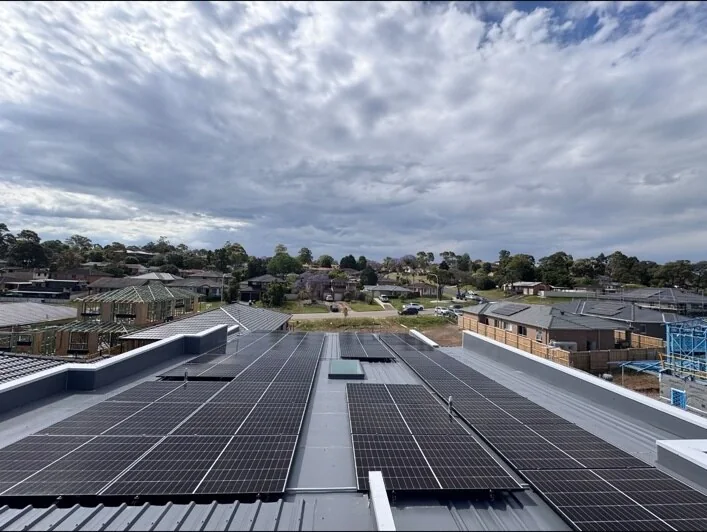
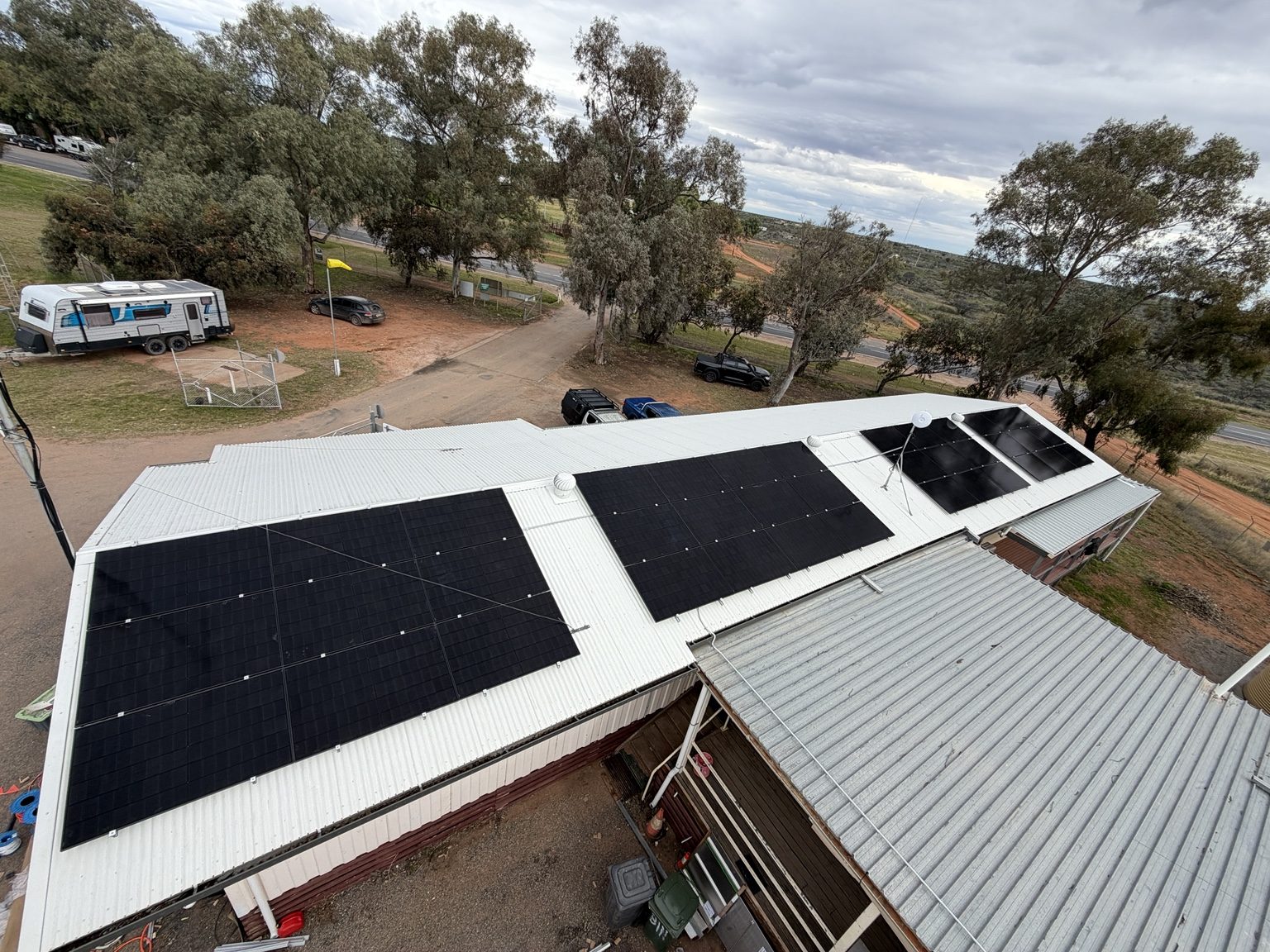
Two homes with identical roof space can need very different systems. Orientation, shading from trees or neighbouring buildings, your existing switchboard condition, and how much electricity you use during daylight hours all change what actually makes sense.
We start with your electricity bill and your goals — running more of your home on solar during the day, preparing for a future battery, or simply reducing what you draw from the grid — and design from there.
What's included
From first assessment to a commissioned system
Site and roof assessment
Roof orientation, shading, structural condition and existing switchboard capacity are checked before a system is designed.
Tailored system design
Panel layout, inverter sizing and string configuration matched to your roof and usage, set out in a clear written proposal.
DNSP approval
Connection requirements and any distributor conditions are confirmed as part of the individual project scope.
Licensed installation
Panels, racking, inverter and cabling installed to Australian Standards. Installation completed under Oz Home Energy's licensed electrical contracting responsibility and applicable Australian requirements.
Commissioning & compliance
System tested, commissioned and documented, including the compliance certificates you'll need.
Ongoing support
A point of contact afterwards for servicing, monitoring questions or future upgrades such as a battery.
Worth checking early
Your switchboard is part of this conversation
An older switchboard, an undersized main supply, or existing wiring near the end of its life can affect what a solar installation involves — and whether it's ready for a battery or EV charger later. We check this at the assessment stage so there are no surprises once work starts. See residential electrical and switchboard upgrades.
System sizes
Common system sizes
Your actual size comes from your roof, usage and goals — these are common starting points.
6.6 kW
A common size for smaller households or roofs with limited north-facing space.
10 kW
Suits a typical family home with daytime usage or plans to add a battery.
13 kW
For larger roofs, higher usage, or households planning an EV or battery alongside solar.
STC rebate
The upfront solar rebate (STCs)
New solar systems earn Small-scale Technology Certificates (STCs) — a federal rebate your installer applies as a discount on your upfront cost, not a separate claim. Sydney is rated Zone 3 (zone factor 1.382), one of the standard bands used to calculate how many STCs a system earns.
STC value depends on system size, zone and the current STC market price, and reduces slightly each year as the scheme phases down toward 2030. Indicative only, as of 24 Sep 2026 — your exact entitlement is confirmed as part of your quote. Source: Solar Choice — STC Rebate Scheme explained.
Brands we install
Panels and inverters
Panels
Jinko Solar, JA Solar, Trina Solar.
Inverters
FoxESS, Sungrow, Sigenergy, GoodWe — matched to your system and any current or future battery plans.
Common questions
Solar, answered plainly
What size solar system suits my home?
It's a balance of available roof space, your daytime electricity use, your DNSP-approved export limit and your budget. We'll talk through options rather than defaulting to the largest system your roof can physically hold.
Do I need council or strata approval?
Most standalone houses don't need council approval for a standard rooftop system, but strata properties, heritage-listed homes and some local overlays can have extra requirements. We'll flag this during your assessment if it applies to you.
Can I add a battery later instead of now?
Yes — many customers install solar first and add a battery once budget allows. We can design the initial system and switchboard with a future battery in mind, so the retrofit is simpler. See solar & battery upgrades.
How much does shading actually affect output?
More than most people expect — shading even one panel in a string can drag down the output of the whole string, not just that panel. We map shading from trees and neighbouring buildings at the assessment stage and design the layout (or recommend optimisers) around it, rather than assuming a clear roof.
Does my roof need to face north?
North-facing gets the most output, but east and west-facing roofs still work well, especially if you use more electricity in the morning or evening. Splitting panels across multiple roof faces is common and can suit your usage pattern better than a single north-facing array.
Recent work
Recent solar work