When an upgrade makes sense
Signs your system is due for attention
Inverter nearing end of life
Inverters typically last 10–15 years. An ageing or fault-prone inverter is often the trigger for a wider system review.
System undersized for current use
Households change — a new EV, a home office, or a growing family can mean your original system no longer covers daytime use.
No battery capability
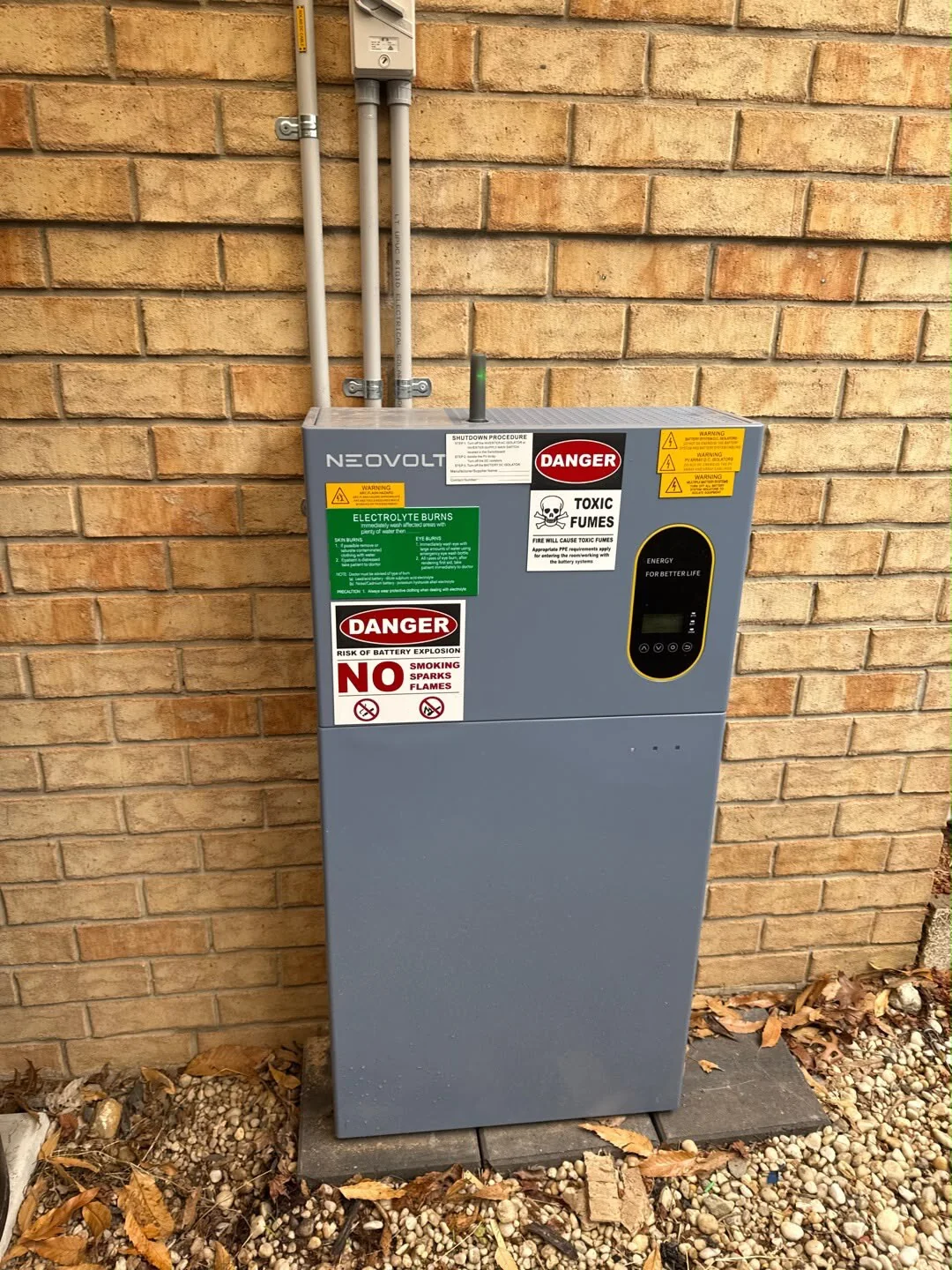
Older solar systems and inverters sometimes can't support a battery without additional equipment. We assess what's possible before quoting.
Switchboard limitations
An older switchboard may need attention before it can safely support an upgraded or expanded system.
Panel degradation or damage
Cracked, degraded or storm-damaged panels reduce output — sometimes replacement is more cost-effective than working around it.
Wanting to add a battery
If you're ready to add storage to existing solar, this is assessed alongside any other upgrade needs. See battery storage.
How we approach it
We assess before we quote
An upgrade assessment looks at your existing panels, inverter brand and age, switchboard condition, and your current electricity use. From there we recommend the most sensible path — which might be a full replacement, a partial expansion, an inverter swap with panels retained, or adding a battery to what's already performing well.
We won't recommend replacing a system that doesn't need it.